Please stop throwing your things onto the gym floor (here’s why)
Maya KhuranaThe Backstory
In the summer of 2019, I learned how to deadlift. Naturally, I purchased my first pair of wrist straps to help me with this new quest.
I went to the gym, excited to test them out. But the only option available when I wasn't using them was the gym floor, and that felt… wrong.
I wouldn’t put my phone or a new accessory straight onto the floor on the street. And that’s basically what the gym floor was, with dog sh*t, cigarette butts, and dirt coming in from people’s shoes.
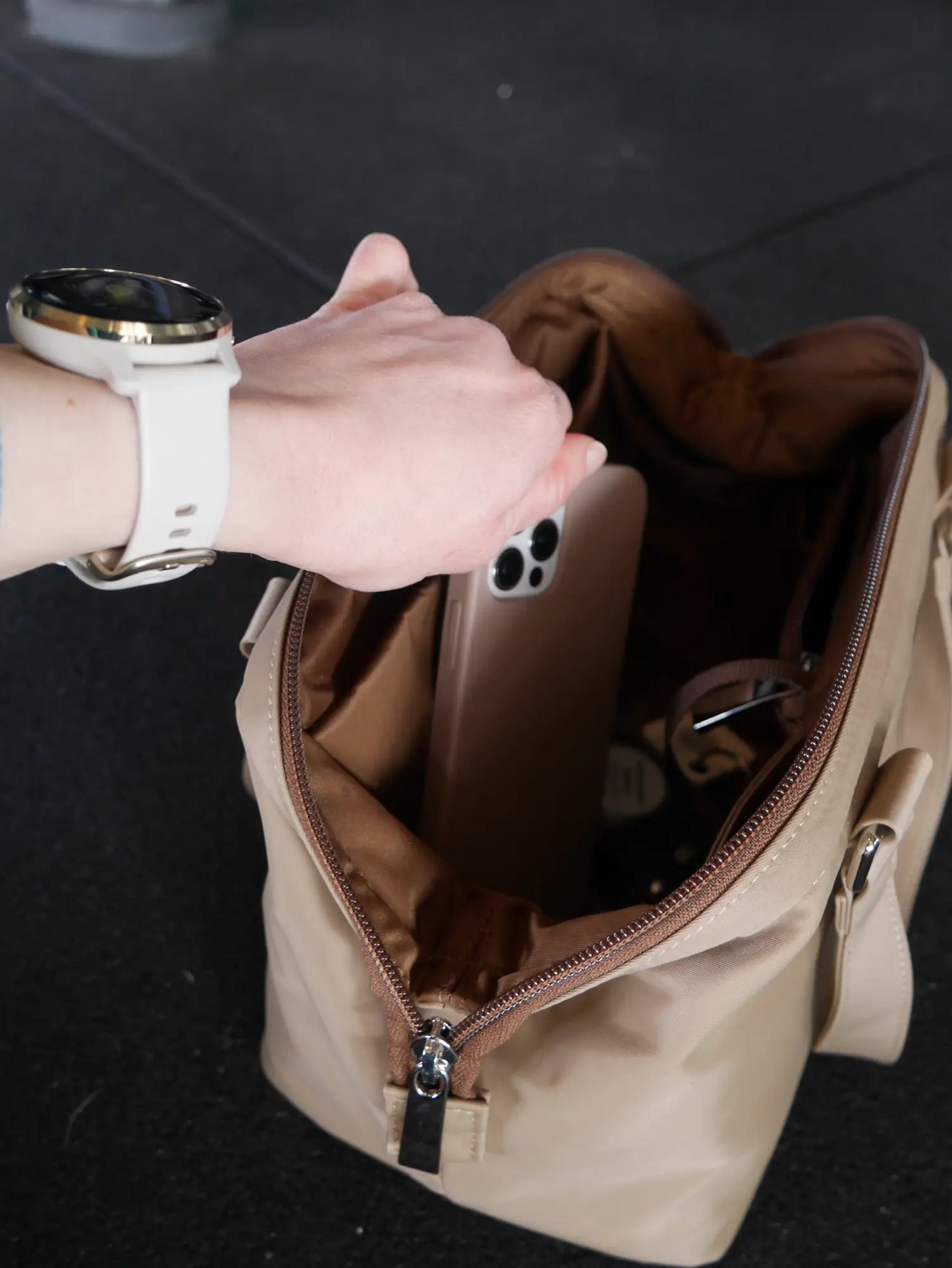
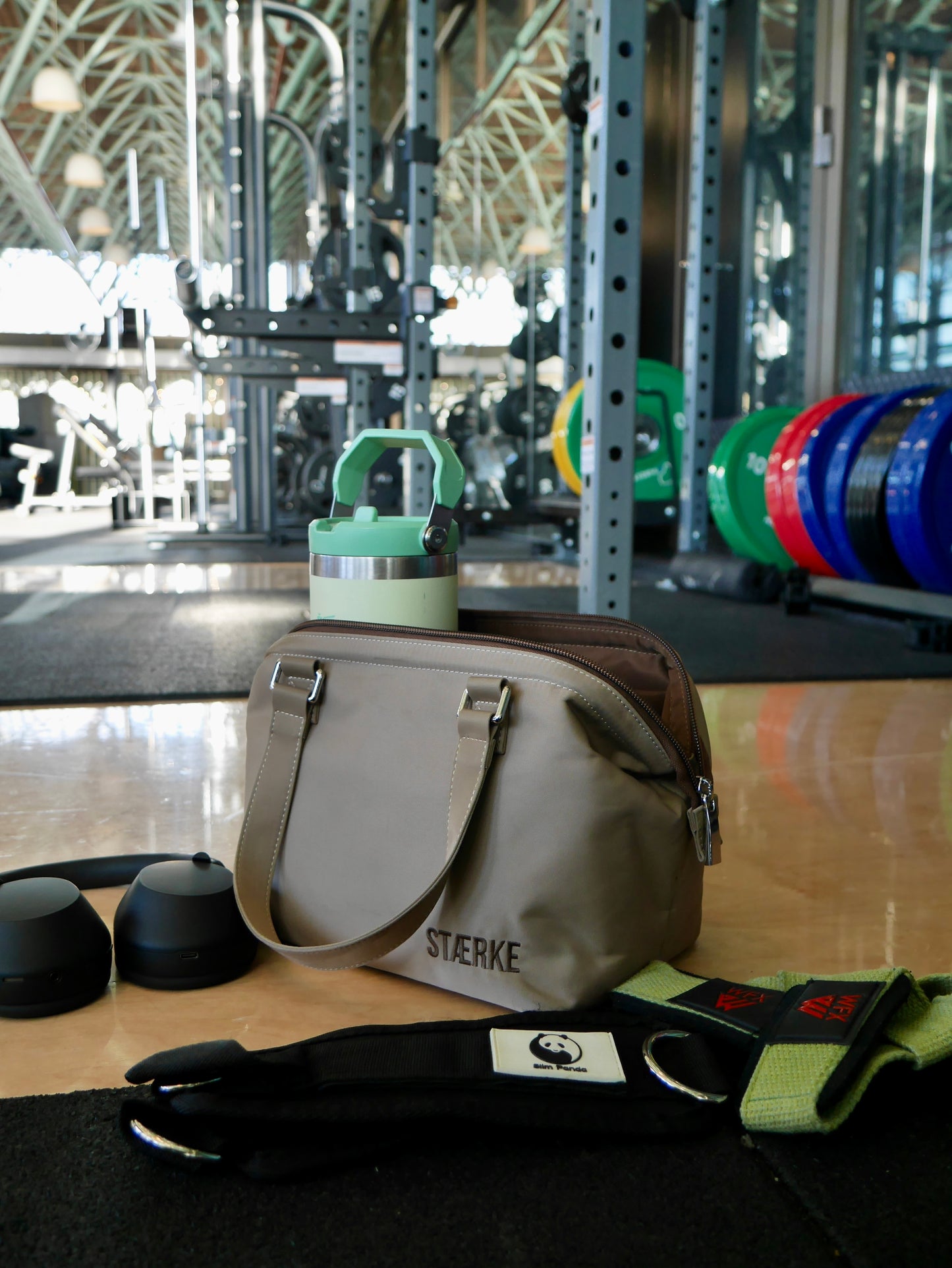
Why couldn’t I find a small gym bag I could bring into the gym to put all my new accessories, water bottle, and phone while I trained?
2025 comes around, and the bag still doesn’t exist - which feels even more surprising after the heightened focus on hygiene during Covid. I think to myself: am I some kind of hygiene freak? Am I the only one thinking about the fact that the gym floor is absolutely disgusting?
But when I began to research, it turned out to be even worse than I imagined.
The Truth: The Gym Floor is Disgusting
We’re not just talking about a bit of dust or dirt here.
Gym environments are consistently shown to harbour high levels of bacteria, often far beyond what you’d expect from everyday surfaces. Some testing even found that gym equipment can carry hundreds of times more bacteria than a toilet seat.
A study analysing a metropolitan gym in Memphis identified 17 different bacterial families present on gym surfaces. Most of these originated from humans and the surrounding environment (air, dust, soil, and water). Among them were potentially harmful bacteria including Salmonella, Staphylococcus, Klebsiella, and Micrococcus. Research has also shown that Staphylococcus aureus, including antibiotic-resistant strains like MRSA, is commonly found on shared fitness equipment and high-contact surfaces.
Other studies have identified fungi responsible for infections like ringworm and athlete’s foot on surfaces in shared environments such as gyms.
And then there’s what gets brought in from outside. Research into environmental contamination shows that shoes regularly carry bacteria like E. coli and other pathogens, which are then transferred directly onto indoor floors. My colleague at the gym I work at was recently sent to the ER with a stomach infection caused by E. coli...
So this isn’t just about what’s on the floor, it’s about what gets brought onto it and transferred off of it.
When you place your phone, your straps, your water bottle, or your keys onto the gym floor, you’re putting them somewhere that people walk on straight from the street, and is constantly touched, stepped on and reused.
And then without thinking about it, you pick those things up off the floor, check your phone mid-set, and wipe your face with all that bacteria.
Side note: working part-time at a gym hasn’t exactly increased my trust in how often floors are cleaned. Outside of regular vacuuming, the free weight area floor is cleaned far less frequently than you’d expect.
The Solution: 'The Mini'
The problem isn’t a new one, but once you see it, it’s hard to ignore.
For years, we’ve just worked around it - using tote bags, leaving things scattered on the floor, or not really thinking about it at all.
Which is exactly why I created The Mini - a small, structured bag you can actually bring onto the gym floor, so your essentials have somewhere to go while you train.
The floor problem has a solution. It just took six years to build it...